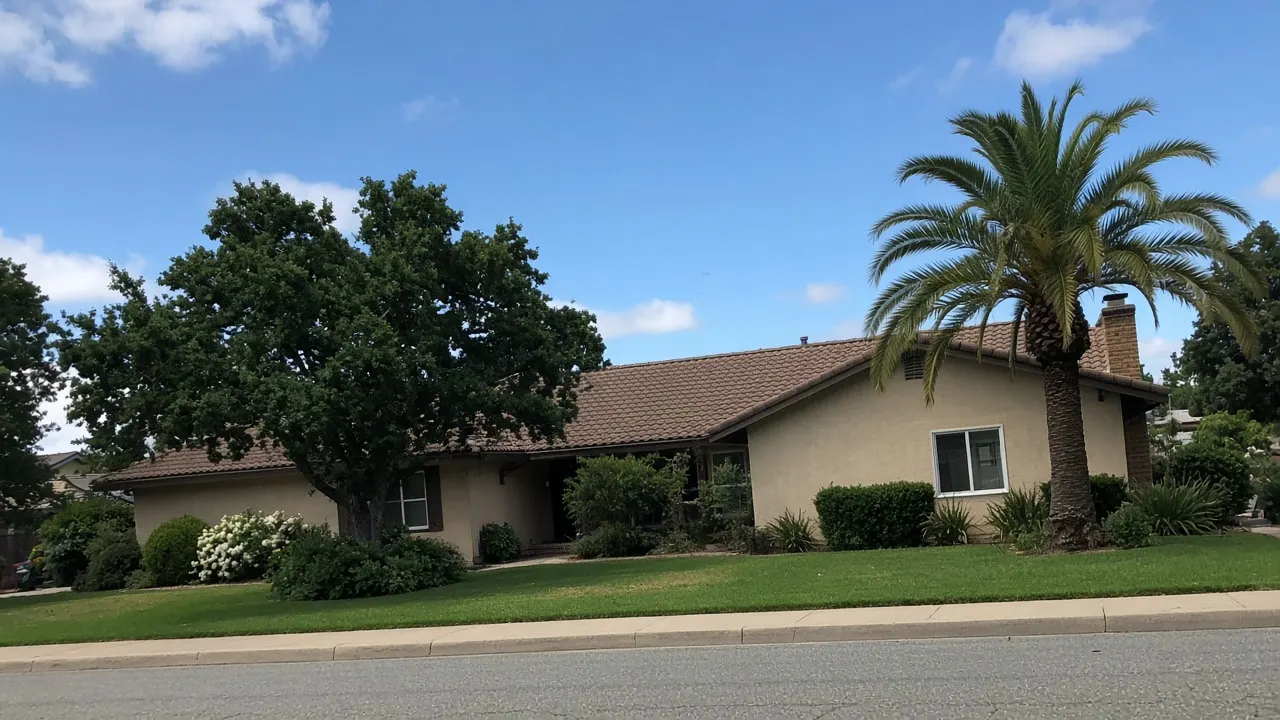
Single-story stucco ranch house with a tile roof on a sunny suburban street in San Jose

San Jose & Santa Clara County, CA

Termite Treatment in San Jose

Seen pellets, mud tubes or damaged wood, or need a WDO report for a sale? Get matched with a licensed local termite company for a free inspection request and written estimate.

Independent referral service. Work is done by SPCB-licensed companies.

Termite treatment in San Jose starts with the right diagnosis

Termite treatment in San Jose depends on the species: drywood termites are treated locally or by fumigation, and subterranean termites with soil treatments or baits. This free estimate request service matches you with a licensed local termite company that inspects first and quotes in writing.

This site is a referral service and does not perform pest control. See California Business and Professions Code §8505, which defines pest control.

San Jose homes face more than one kind of termite. UC Statewide IPM reports that subterranean termites (Reticulitermes) are found in nearly every region of California and are the most destructive in the state, while the western drywood termite, the second most important species, occurs along the coast and inland to the Central Valley. Dampwood termites are also common on the central and northern coast. Each is treated differently, so identifying the species is the first step.

In California, termite inspection and treatment are regulated by the Structural Pest Control Board. Only a Branch 3 licensee may inspect and issue a written opinion about termites, and only a Branch 1 licensee may fumigate. This site is not a pest control company: it is a free, independent request service. Tell us what you need and your request is passed to a licensed local termite company that can inspect your property and give you a written estimate.

Below you will find what each service involves, what affects cost, how the process works step by step and answers to common questions, all based on public sources such as UC IPM, the SPCB and the California Business and Professions Code.

Request a Free Estimate

Please note: This website is an independent referral service. It does not perform pest control, inspections, fumigation or repairs. All work is performed by independent companies licensed by the California Structural Pest Control Board (SPCB). Verify any company's license at pestboard.ca.gov/license.

Free estimate request. We do not publish prices; a licensed company gives you a written estimate after inspecting.

Termite services you can request in San Jose

Six types of termite service are commonly offered by licensed companies in the San Jose area, from inspections and WDO reports to treatment, fumigation and repairs. Here is what each one involves and when it is used.

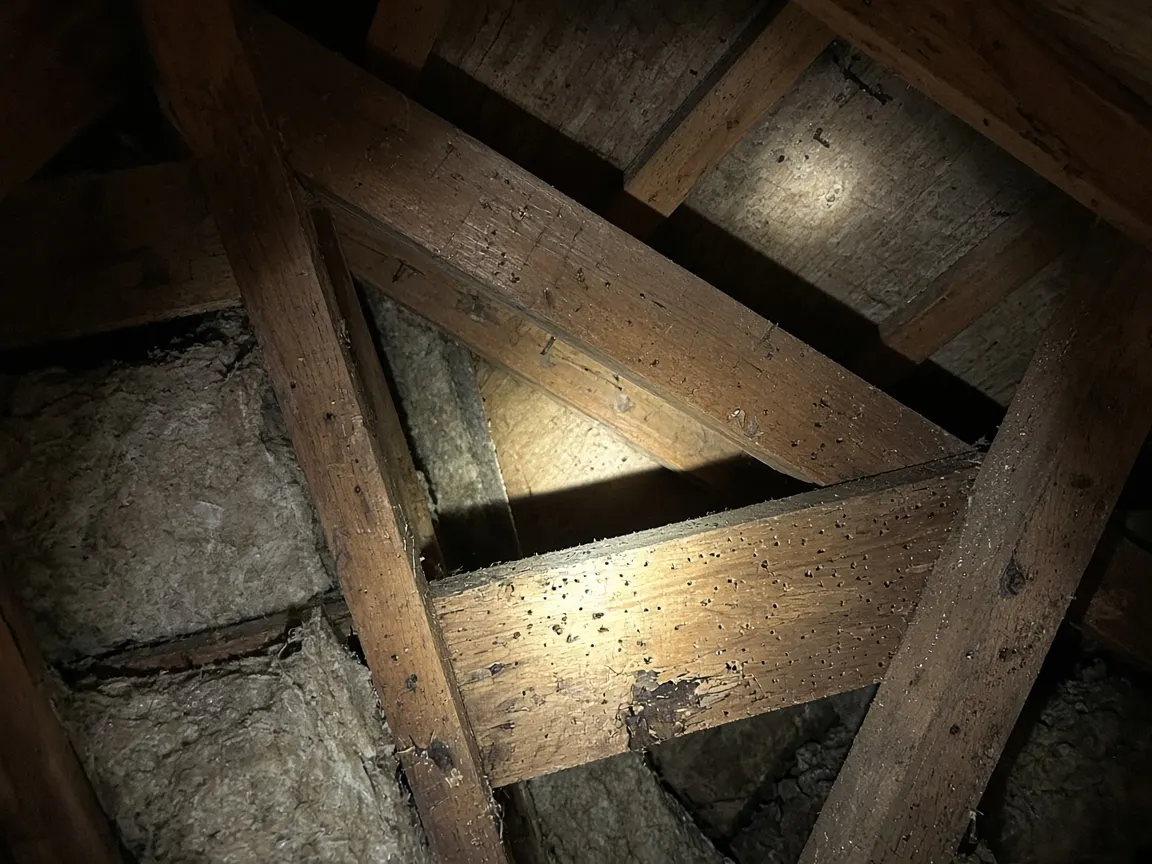
Flashlight beam on old attic rafters with small holes and damaged wood next to insulation

Termite Inspection & WDO Report in San Jose

A termite inspection in San Jose must be carried out by a Branch 3 licensed inspector from an SPCB-registered company, who then issues a WDO report (form 43M-41) within 10 business days. Request one here and you will be matched with a licensed local company.

In California, a written opinion about whether termites or other wood-destroying organisms are present can only come from an inspection by a Branch 3 licensed field representative or operator working for a company registered with the Structural Pest Control Board (SPCB). That rule is set out in Business and Professions Code section 8516. When you send a request through this site, it is passed to a licensed local termite company that can carry out that inspection; this site does not inspect properties itself.

The inspection results in a Wood Destroying Pests and Organisms Inspection Report, commonly called a WDO report. The official form is the SPCB's form 43M-41; the national NPMA-33 form may only be attached to it, not used in place of it. Under BPC 8516, the report must be delivered within 10 business days of the inspection and before any work is started.

WDO reports separate findings into two groups. Section 1 items are active infestation or infection, or damage caused by it. Section 2 items are conditions that are likely to lead to infestation or infection, such as excessive moisture or wood in contact with soil. Home sales in California commonly involve a WDO report, so buyers, sellers and agents often need one on a set timeline.

Inspected addresses are recorded with the SPCB, and consumers can request copies of WDO reports filed for a property within the previous two years. If you are buying a home, that can be a useful starting point before you order a new inspection. Whatever your situation, you can check any company's license yourself at pestboard.ca.gov/license before you let anyone inspect.
More about termite inspection & wdo report →

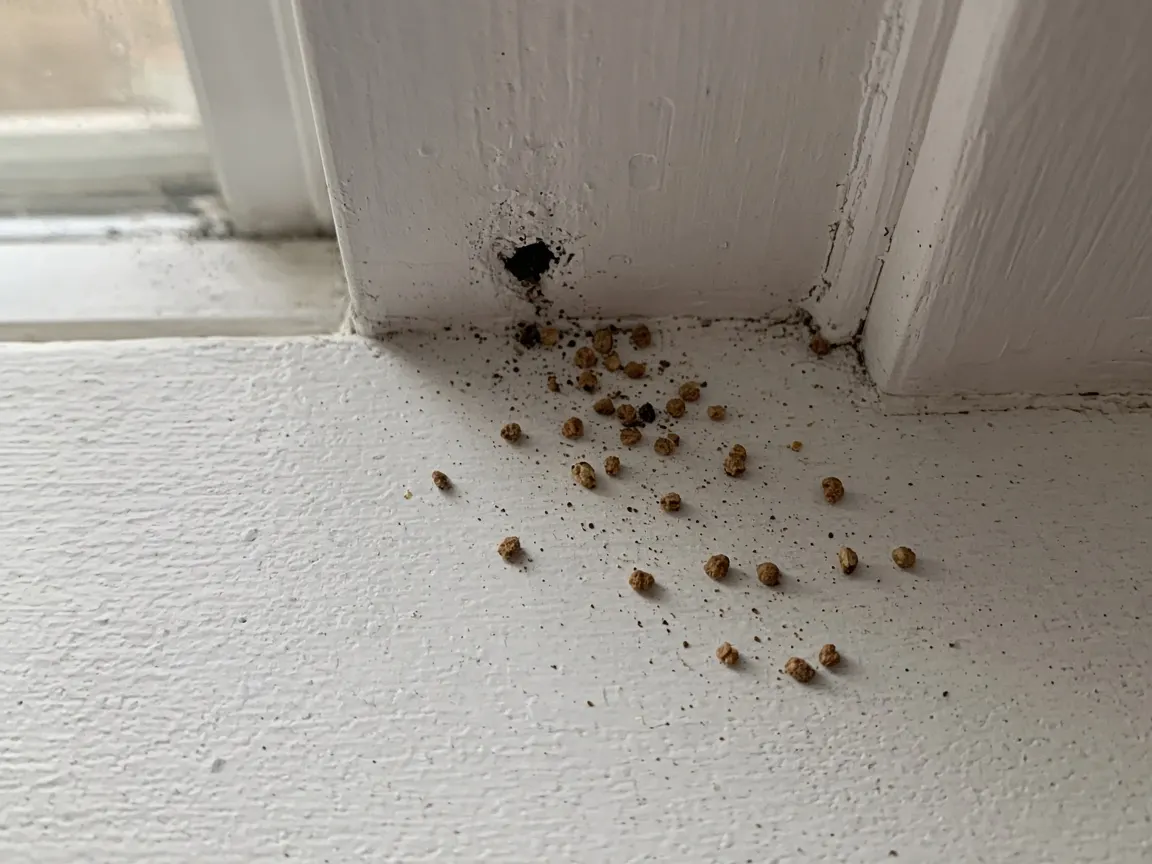
Small pile of tan drywood termite pellets on a white windowsill below a hole in the trim

Drywood Termite Treatment in San Jose

Drywood termites live inside dry wood, leave small six-sided pellets and occur throughout the San Jose area. They are treated locally when the infestation is accessible, or by whole-structure fumigation when it is widespread. A licensed inspection decides which approach fits.

The western drywood termite (Incisitermes minor) is, according to UC Statewide IPM, the second most important termite pest in California. It occurs along the Pacific coast and inland to the Central Valley, a range that includes San Jose and the rest of the Bay Area. Unlike subterranean termites, drywood termites live entirely inside dry wood and do not need contact with soil.

The most recognizable sign is fecal pellets: small, hard, six-sided pellets that drywood termites push out of their galleries. They often collect in small piles on windowsills, floors or attic surfaces beneath infested wood. Because the colony stays inside the wood, damage can be hidden behind paint or trim.

Treatment depends on how widespread and how accessible the infestation is. UC IPM describes two broad approaches: whole-structure fumigation (tenting) for extensive or inaccessible infestations, and localized or spot treatments for infestations that can be reached and defined. Companies in the San Jose area offer local methods such as orange-oil injections, foams, and heat or microwave treatments, as well as whole-structure heat.

Which approach fits your home is decided after a licensed Branch 3 inspection, and whole-structure fumigation itself must be performed by a Branch 1 licensed company. Through this site you can describe what you have seen and get matched with a licensed local termite company that can inspect and recommend options in writing. See also our pages on termite fumigation and local termite treatment.

More about drywood termite treatment →

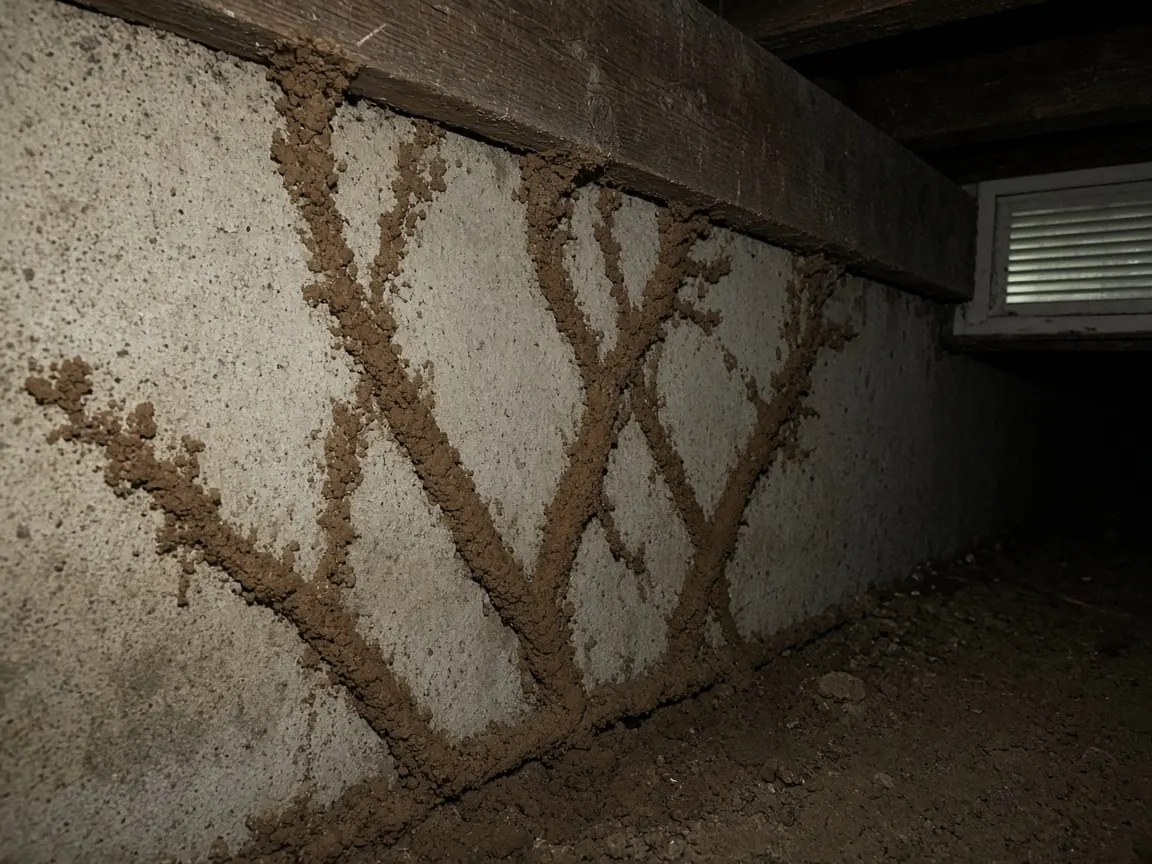
Brown mud tubes climbing a concrete foundation wall in a crawl space toward a wooden sill

Subterranean Termite Treatment in San Jose

Subterranean termites nest in the soil and reach wood through mud tubes. In San Jose they are usually treated with a liquid termiticide applied to the soil or with monitored bait stations, chosen after a licensed Branch 3 inspection.

Subterranean termites of the genus Reticulitermes occur in nearly every region of California, and UC Statewide IPM describes them as the most destructive termites in the state. The western subterranean termite, Reticulitermes hesperus, is the species usually discussed for Northern California.

These termites nest in the soil and travel to wood through earthen mud tubes, which are often the first visible sign along foundations, piers or crawl-space walls. Swarms of winged reproductives commonly appear after rains. Damaged wood may look layered or packed with soil, quite different from the clean galleries of drywood termites.

UC IPM describes two main treatment approaches: liquid termiticides applied to the soil around and under the structure to create a treated zone, and baiting systems that are placed in the ground and monitored over time. Companies in the San Jose area offer both, including liquid soil treatments and bait systems such as Sentricon. Baits usually involve ongoing monitoring, which affects long-term cost.

Fumigation (tenting) is not used for subterranean termites, so the right plan depends on correctly identifying the species first. Request an inspection through this site and you will be matched with a licensed local termite company (SPCB Branch 3) that can identify the termites, explain the options and give you a written proposal.

More about subterranean termite treatment →

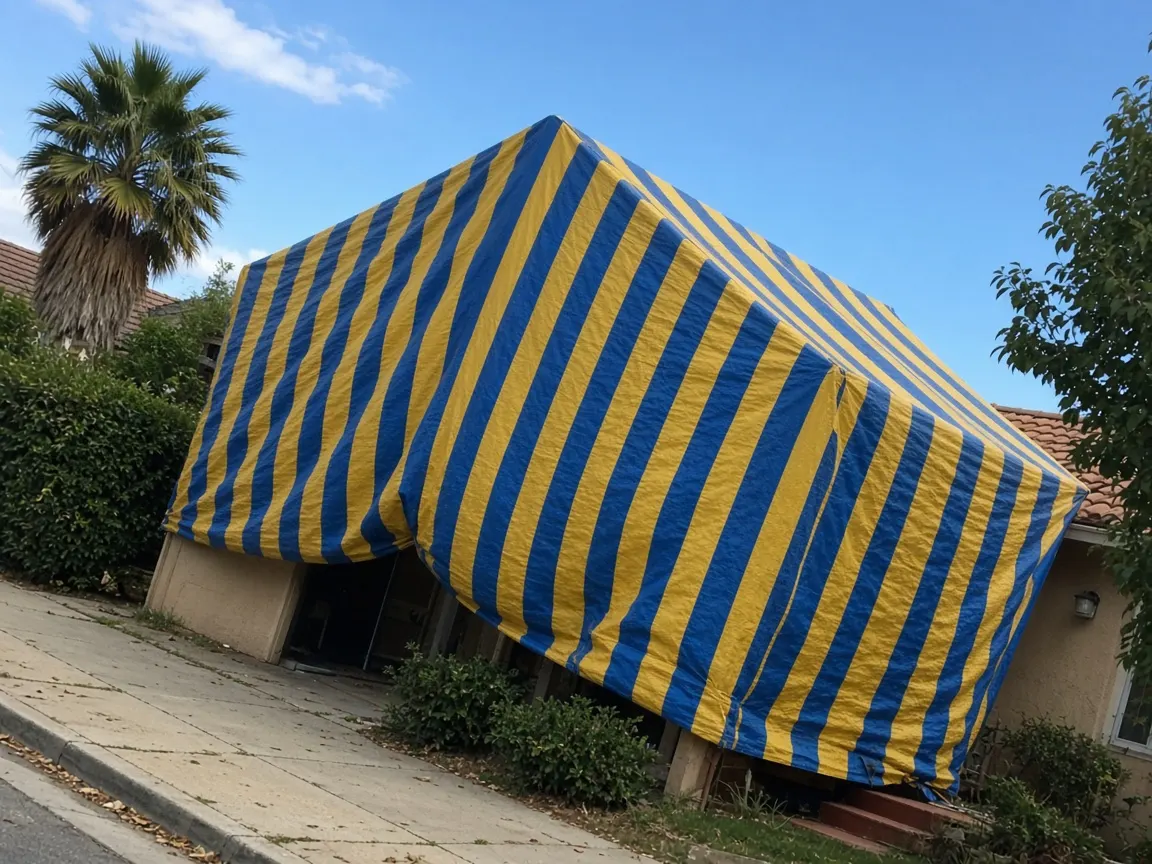
Single-story stucco house in California covered with a striped fumigation tent

Termite Fumigation in San Jose

Termite fumigation, or tenting, covers the whole house and fills it with a gas fumigant to eliminate drywood termites in widespread or hidden infestations. In California only Branch 1 licensed companies may fumigate, and the decision follows an inspection.

Whole-structure fumigation, often called tenting, is used against drywood termites when an infestation is widespread or cannot be reached for local treatment. The building is covered with tarps and filled with a gas fumigant; companies serving San Jose describe using sulfuryl fluoride (sold as Vikane). Fumigation is not a treatment for subterranean termites, which live in the soil.

In California, fumigation is regulated as its own branch of pest control: only companies licensed for Branch 1 by the Structural Pest Control Board may fumigate. Inspection and other termite work fall under Branch 3. Some local companies hold both licenses; others partner with a fumigator. You can check which branches a company holds at pestboard.ca.gov/license.

Fumigation follows an inspection. Local providers describe basing the recommendation on Section 1 findings in the WDO report, then planning preparation, the tenting itself, and aeration with clearance testing before the home is reoccupied. The licensed company will give you its own written preparation instructions; follow those rather than any general guide.

Tenting is not always necessary. UC IPM notes that localized treatments can work when an infestation is accessible and well defined. Through this site you can request an inspection and be matched with a licensed local termite company that can explain whether fumigation or a local treatment fits your home.

More about termite fumigation →

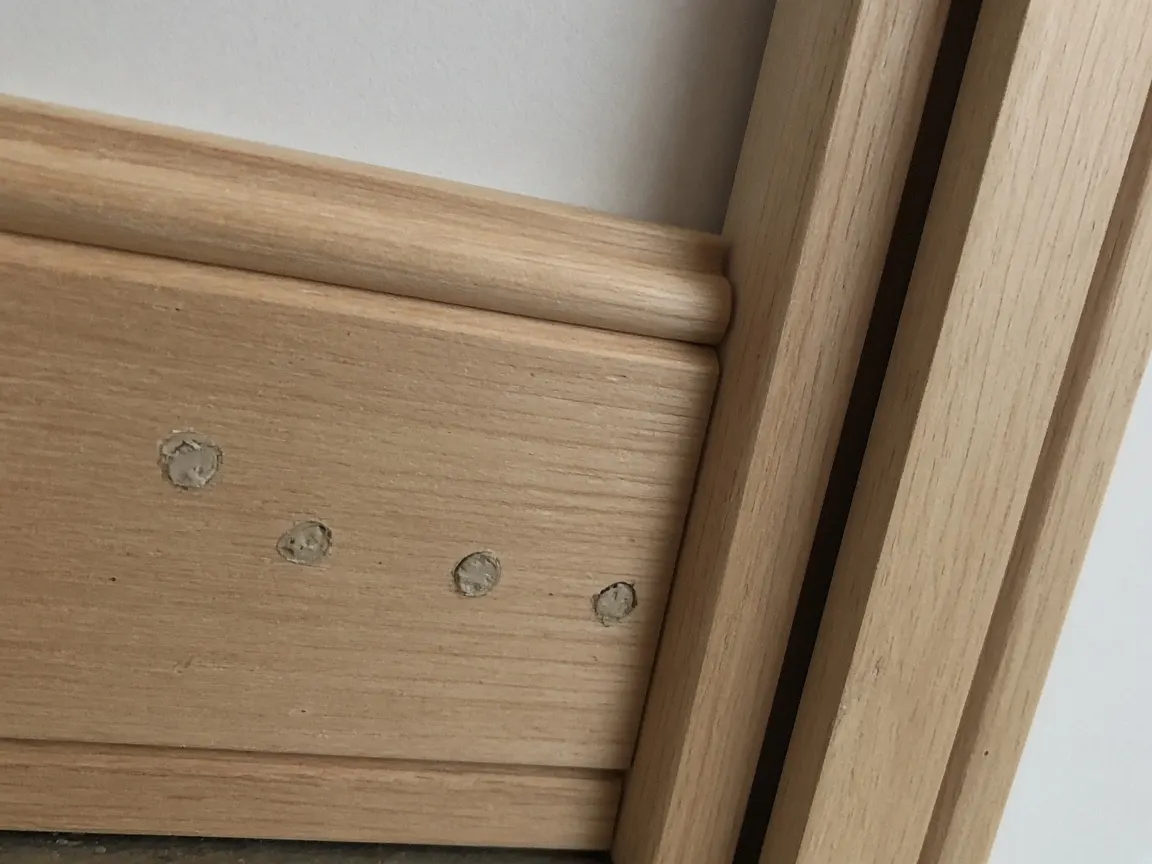
Wooden baseboard with a row of small filled holes from a localized treatment

Local Termite Treatment in San Jose

Local termite treatment targets drywood termites in specific, accessible pieces of wood with methods such as orange oil, foam or heat. It works when the infestation is well defined, but it does not reach colonies that were not found.

Local, or spot, treatment targets termites in specific pieces of wood instead of treating the whole structure. UC Statewide IPM describes it as an option for drywood termite infestations that are accessible and whose extent can be determined; it is not a substitute for fumigation when activity is widespread or hidden.

Methods offered by companies in the San Jose area include injecting orange oil or other products into drilled holes, foams, and localized heat or microwave devices. The treated holes are then filled and sealed. Whether a method suits your home depends on where the termites are, how much wood is involved and how easily it can be reached.

The main trade-off is coverage. A localized treatment acts only on the wood that is treated, so undetected colonies elsewhere in the structure are not addressed. That is why the decision should be based on a thorough inspection and documented in the inspection report, rather than on a sign you noticed in one room.

Use the request form to describe what you have found. Your details are shared with a licensed local termite company (SPCB Branch 3) that can inspect, explain the local options and put its recommendation in writing. If the infestation turns out to be extensive, they may recommend fumigation instead.

More about local termite treatment →

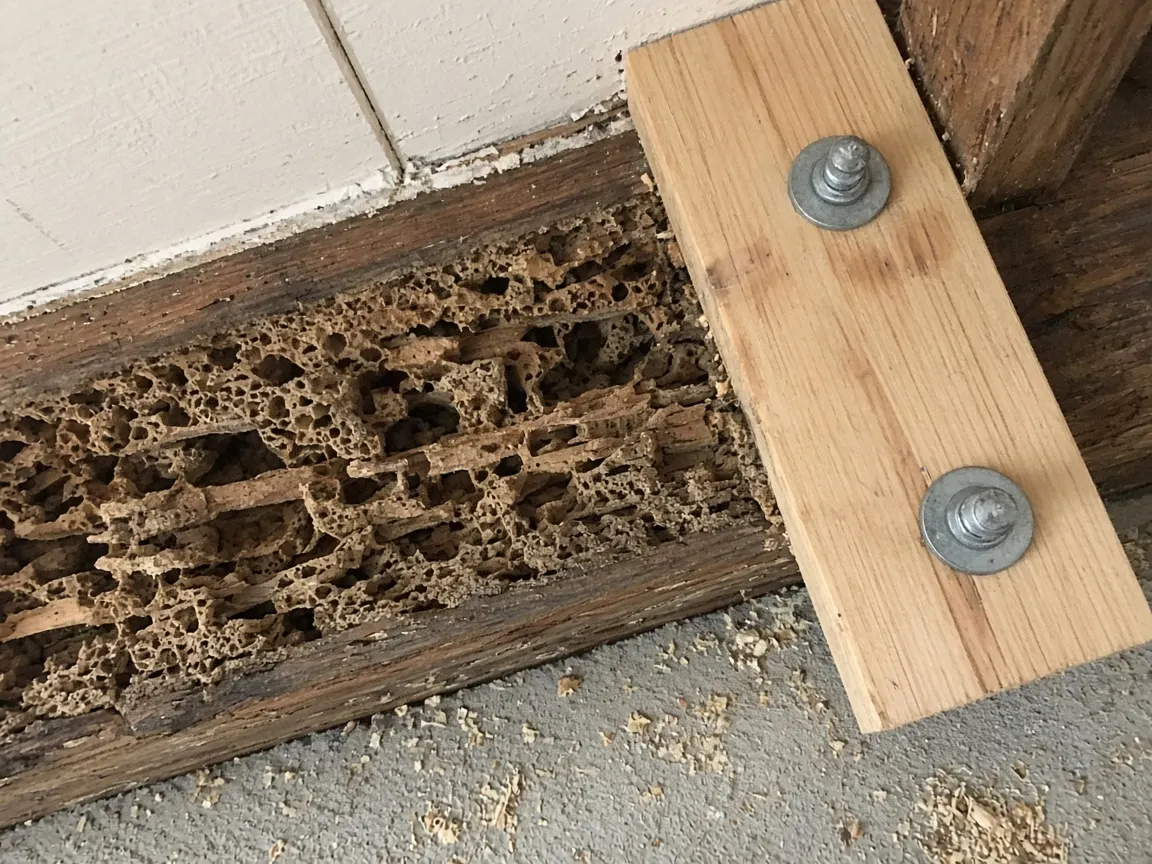
Termite-damaged honeycombed wooden beam next to a new board bolted alongside it

Termite Damage Repair in San Jose

Termite damage repair means replacing or reinforcing wood listed as damaged in Section 1 of a WDO report. It is usually priced separately from treatment and often includes fixing moisture problems that attract dampwood termites and decay.

Killing termites does not repair the wood they have damaged. When a WDO report lists damage under Section 1, repairing or replacing the affected wood is usually a separate item in the proposal, priced apart from the treatment. Branch 3 licensed companies may perform wood repairs, and several companies serving San Jose offer repairs alongside treatment.

Dampwood termites (Zootermopsis species) are common along California's central and northern coast. UC IPM notes that they are less common in structures and cause less costly damage than drywood or subterranean termites, and that their presence points to moisture or decaying wood. The usual solution is to correct the moisture problem and replace the damaged wood.

Moisture also drives fungal decay, often called dry rot, which appears in WDO reports alongside termite findings. Section 2 conditions such as leaks, wood-to-soil contact or poor ventilation are the kind of issues that, if fixed, make future infestation less likely.

Through this site you can request an inspection and repair proposal and be matched with a licensed local termite company that can assess the damage, explain what is structural and what is cosmetic, and give you a written scope of work before anything starts.

More about termite damage repair →

How much does termite treatment cost in San Jose?

There is no single price for termite treatment. Published cost guides disagree with each other and none of them are specific to San Jose, so this site does not publish prices. These are the factors that determine what a licensed company will quote:

What affects the cost of termite treatment in San Jose (no prices published)
Cost factorWhy it matters
Termite speciesDrywood, subterranean and dampwood termites are handled with different methods, so identification comes first.
Scope: local vs. whole structureA spot treatment of accessible wood is a different job from tenting the entire building.
Treatment methodFumigation, localized treatments (orange oil, foam, heat), liquid soil termiticide and bait systems each involve different materials and labor.
Home size and volumeFumigation is planned around the structure's volume, roof and attached areas; soil treatments around its perimeter and foundation type.
Wood repairs (Section 1)Replacing damaged wood is carpentry work, usually priced separately from the treatment.
Inspection / WDO reportThe inspection and report are a separate service from treatment and are needed before work starts.
Monitoring and follow-upBait systems and any service agreement offered by the company can add recurring costs.
Your priceFree written estimate after inspection. We do not publish prices: published figures vary widely and none are verified for San Jose, so the only reliable number is the licensed company's written estimate for your home.

Get a free written estimate Read the full cost guide →

How it works, step by step

You send a free estimate request, a Branch 3 licensed company inspects and delivers a written report within 10 business days, you receive a proposal, and the licensed company carries out any treatment and follow-up. Here is each step.

  1. Send your request

    Fill in the form with your address, what you have noticed and what you need (for example a WDO report for a sale). It is a free estimate request.

  2. Branch 3 inspection

    A licensed local termite company contacts you to schedule an inspection by a Branch 3 licensed field representative or operator. Under BPC 8516, your written WDO report must arrive within 10 business days of the inspection and before any work begins.

  3. Written proposal

    The company explains the Section 1 and Section 2 findings and gives you a written proposal and estimate. You can verify its license at pestboard.ca.gov/license and compare before deciding.

  4. Treatment and repairs

    If you go ahead, the licensed company carries out the agreed work: local treatment, soil treatment or baits, or fumigation by a Branch 1 licensee, plus any wood repairs.

  5. Follow-up

    Ask the company about any follow-up inspection, bait monitoring or completion documentation. Warranty terms vary by company, so get them in writing.

Termite treatment FAQ

These answers cover what San Jose homeowners ask most about termites: which species are local, when tenting is needed, what a WDO report is, who is licensed to do the work and how cost is estimated.

What kinds of termites are found in San Jose?

Subterranean termites (Reticulitermes), the western drywood termite and dampwood termites all occur in the region, according to UC Statewide IPM. The Formosan subterranean termite has only been documented in Southern California, not in the north.

How do I tell drywood termites from subterranean termites?

Drywood termites live inside dry wood with no soil contact and push out small, six-sided fecal pellets. Subterranean termites nest in the soil, build mud tubes to reach wood and often swarm after rains.

Do I always need to tent my house?

No. It depends on how extensive and accessible the infestation is. Local treatments can work for accessible, well-defined drywood infestations; fumigation is used for widespread or inaccessible ones. A licensed inspector decides after inspecting.

How are subterranean termites treated?

Usually with a liquid termiticide applied to the soil around and under the structure, or with an in-ground baiting system such as Sentricon that is monitored over time.

Are dampwood termites a big problem?

They generally cause less costly damage than drywood or subterranean termites. Their presence signals moisture or decaying wood, so the fix is to correct the moisture source and replace damaged wood.

What is a WDO report?

It is the official Wood Destroying Pests and Organisms Inspection Report (SPCB form 43M-41) issued by a company licensed for Branch 3. The NPMA-33 form can only be attached to it.

What is the difference between Section 1 and Section 2?

Section 1 lists active infestation or infection and the damage it caused. Section 2 lists conditions that are likely to lead to infestation or infection if not corrected.

How long until I get my inspection report?

Under Business and Professions Code section 8516, the report must be delivered within 10 business days of the inspection and before any work begins.

Who is allowed to inspect or fumigate?

Termite inspections and non-fumigation treatments are Branch 3 work; fumigation is Branch 1. Both licenses are issued by the California Structural Pest Control Board.

How do I verify a company's license?

Use the Structural Pest Control Board's license lookup at pestboard.ca.gov/license.

Can I get a past termite report for a house?

Yes. The SPCB lets consumers request copies of WDO reports filed for an address within the past two years.

How much does termite treatment cost in San Jose?

It varies with the termite species, the method, the size and volume of the structure and any repairs. We do not publish prices; a licensed company gives you a free written estimate after inspecting. See termite treatment cost factors.

Areas covered

Free estimate requests are accepted from San Jose and nearby Santa Clara County cities: Santa Clara, Sunnyvale, Milpitas, Cupertino, Campbell, Los Gatos, Saratoga, Mountain View, Palo Alto, Los Altos, Morgan Hill. Availability depends on the licensed companies that cover your address. See all service areas →

San Jose neighborhoods

Requests come from every part of San Jose, including Willow Glen, Almaden Valley, Evergreen, Berryessa, Cambrian, Rose Garden and Blossom Valley. Housing age varies a lot between them, which affects how long wood has been exposed to termites; details and sources are on the service areas page.

Get matched with a licensed local termite company

Send a free estimate request. Your details are shared only with a licensed termite company that covers your address, and only with your consent, so it can contact you.

Request a Free Estimate